10 Astuces pour profiter des paiements mobiles sur les casinos en ligne avec Pointeduraz

10 Astuces pour profiter des paiements mobiles sur les casinos en ligne avec Pointeduraz

Trouver le casino en ligne qui combine sécurité, rapidité et offres attractives n’est pas toujours simple. Heureusement, le site meilleurs casino en ligne réunit une sélection rigoureuse de plateformes testées par des experts. Parmi les critères les plus appréciés des joueurs français, les paiements mobiles (Apple Pay, Google Pay…) occupent une place de choix. Dans cet article, Pointeduraz vous guide pas à pas pour exploiter ces solutions de paiement et optimiser votre expérience de jeu, du dépôt initial aux retraits rapides, en passant par les bonus de bienvenue et les tables live dealers.

1. Comprendre les paiements mobiles : pourquoi les choisir ?

Les paiements mobiles sont devenus incontournables en 2024. Ils offrent une couche supplémentaire de sécurité grâce à la biométrie (empreinte digitale, reconnaissance faciale) et à la tokenisation des données bancaires. Chez Pointeduraz, chaque casino recommandé accepte au moins une méthode mobile, ce qui garantit des transactions instantanées et sans frais cachés.

Avantages clés

  • Rapidité : les fonds apparaissent sur votre compte joueur en quelques secondes.
  • Sécurité renforcée : aucune donnée bancaire n’est stockée sur le site du casino.
  • Simplicité d’utilisation : un seul tap et le dépôt est effectué.

Pour les débutants, la meilleure façon de démarrer est d’associer votre portefeuille mobile à votre compte casino dès l’inscription. Ainsi, vous pourrez profiter immédiatement du bonus de bienvenue souvent conditionné à un premier dépôt minimum.

2. Sélectionner le bon casino : le rôle du comparatif et de l’ANJ

Choisir un casino ne se résume pas à la disponibilité d’Apple Pay. Il faut surtout vérifier que la plateforme possède une licence ANJ (Autorité Nationale des Jeux) et qu’elle figure dans le comparatif de Pointeduraz. Ce dernier analyse chaque site selon plusieurs critères :

  1. Licence et régulation – La présence d’une licence ANJ garantit le respect des normes françaises.
  2. Offre de jeux – Une large bibliothèque incluant des machines à sous, du poker et des live dealers.
  3. Moyens de paiement – Au moins une option mobile, ainsi que des cartes bancaires et e‑wallets.
  4. Bonus de bienvenue – Des promotions généreuses sans exigences de mise excessives.

En suivant ce comparatif, vous évitez les pièges courants : sites non régulés, délais de retrait longs ou exigences de mise abusives. Pointeduraz vous aide à filtrer les options pour ne retenir que les plateformes où le jeu responsable est une priorité.

3. Optimiser les dépôts et retraits avec les paiements mobiles

Une fois le casino choisi, il faut maîtriser les flux d’argent. Voici comment tirer le meilleur parti des solutions mobiles :

Méthode Temps de dépôt Temps de retrait Frais Compatibilité live dealers
Apple Pay Instantané 24‑48 h Aucun
Google Pay Instantané 24‑48 h Aucun
Carte bancaire 5‑10 min 2‑5 jours Variable
E‑wallet (Skrill, Neteller) Instantané 24‑72 h Faible

Astuces pratiques

  • Pré‑autorisez votre portefeuille mobile avant de jouer pour éviter les interruptions.
  • Limitez vos retraits à un montant raisonnable afin de réduire les délais de vérification d’identité.
  • Conservez les preuves de transaction (captures d’écran) en cas de litige avec le service client.

En appliquant ces conseils, vous profiterez d’une expérience fluide, même lors de sessions de paris sportifs où la rapidité des dépôts peut faire la différence.

4. Maximiser les bonus grâce aux paiements mobiles

Les casinos offrent souvent des bonus de bienvenue plus attractifs aux joueurs qui utilisent des méthodes de paiement modernes. Voici comment en tirer profit :

  1. Choisissez un casino qui double le bonus lorsqu’un dépôt est effectué via Apple Pay ou Google Pay.
  2. Vérifiez les conditions de mise (wagering). Les plateformes Pointeduraz sélectionnées proposent des exigences raisonnables, souvent entre 20 x et 30 x le montant du bonus.
  3. Utilisez les promotions récurrentes (cashback, tours gratuits) qui sont parfois réservées aux utilisateurs de paiements mobiles.

En combinant ces stratégies, vous pouvez augmenter votre capital de jeu de façon significative dès les premières heures. N’oubliez pas de lire attentivement les termes et conditions afin d’éviter les mauvaises surprises.

5. Sécurité et jeu responsable : les bonnes pratiques à adopter

Même si les paiements mobiles sont très sécurisés, il est essentiel de rester vigilant. Pointeduraz recommande les mesures suivantes :

  • Activez les limites de dépôt directement dans votre portefeuille mobile.
  • Utilisez l’authentification à deux facteurs (2FA) proposée par le casino pour protéger votre compte.
  • Fixez un budget quotidien et respectez-le. Le jeu responsable doit rester une activité ludique, jamais une contrainte financière.

Les casinos listés par Pointeduraz offrent des outils de self‑exclusion, des rappels de temps de jeu et des liens vers des associations d’aide aux joueurs compulsifs. En suivant ces recommandations, vous profiterez pleinement des avantages des paiements mobiles tout en jouant en toute sérénité.

Conclusion

Les paiements mobiles transforment l’expérience des joueurs français en offrant rapidité, sécurité et simplicité. En vous appuyant sur le comparatif Pointeduraz, vous choisissez un casino licencié par l’ANJ, riche en jeux (y compris les live dealers) et doté de promotions avantageuses. Suivez nos 10 astuces – de la sélection du site à la gestion des bonus – et vous maximiserez vos gains tout en respectant les principes du jeu responsable.

Prêt à passer à la vitesse supérieure ? Rendez‑vous sur meilleurs casino en ligne et commencez votre aventure dès aujourd’hui. Bonne chance !

How I Read Ethereum: Transactions, Gas & Token Tracking with a Browser Explorer

Whoa! I’m staring at a raw Ethereum transaction and my first reaction was, huh? Okay, so check this out—there’s a lot packed into a single hex string. Initially I thought a tx was just “send A to B”, but as I dug deeper I realized transactions also carry data, gas limits, nonce ordering and subtle state changes that cascade across smart contracts in ways that are not obvious at first glance. On one hand that complexity is beautiful because it enables composability, though actually it can be maddening when you’re debugging why a contract reverted or why your token balance didn’t update despite a seemingly successful tx.

Seriously? Gas fees are the part that bugs me most when I’m doing simple transfers. A high gas price can turn a routine tx into an expensive lesson in timing and patience. My instinct said “wait for low gas,” but then a deadline or arbitrage window forces your hand, and you end up chasing blocks and paying more because the mempool dynamics are stubborn and driven by bots and human traders alike. Actually, wait—let me rephrase that: mempool behavior is predictable in patterns but chaotic in details, which means a gas tracker that shows real-time base fee, priority fee, and historical percentiles is not just helpful but essential for sane transaction management.

Hmm… A good blockchain explorer surfaces those details without burying them under jargon. I use browser extensions to avoid tab hopping and to keep context while I’m on a DApp. On one hand extensions feel like an extra surface to trust, though actually the convenience of in-page token lookups, quick tx decoding, and inline gas estimates makes them invaluable for day-to-day interactions with wallets and contracts. I’ll be honest: I prefer a lightweight extension that gives me a token tracker and gas tracker at a glance but also links out to full tx history for deep forensics, because sometimes you need to drill down and sometimes you just need a yes/no signal.

Wow! Token tracking is trickier than it sounds when you hold many small positions. Dust tokens clutter wallets and transfers sometimes fail silently because of gas or approval mismatches (oh, and by the way…), which is maddening. Something felt off about many trackers that rely solely on token contract events without reconciling on-chain transfer logs and balance snapshots, so a robust token tracker will cross-check Transfer events, balanceOf calls, and token decimals to prevent misreporting. On the other hand, UX matters; showing too many technical fields scares normal users, however it’s possible to hide the noise while keeping an “advanced” view for power users who want the raw on-chain evidence.

Okay. Here’s what I’ve built mental models around: nonce sequencing, gas estimation, drop/rebroadcast strategies. When a tx hangs you can either speed it, cancel it, or wait it out depending on nonce order and mempool visibility. My experience with browser-based explorers taught me that the best tools present recommended gas tiers, an estimate of how many blocks until inclusion, and a simple action to replace a pending tx with a higher-fee counterpart without forcing you to copy raw hex or mess with RPC calls. On the flip side, over-automation can lead to mistakes—auto-bumping gas across many transactions during volatile periods can cost more than the failed tx would have in opportunity costs—so controls and confirmations are important.

Somethin’… I said earlier that mempool dynamics are chaotic, and that part still nags me. Brokers and bots can frontrun or sandwich, which affects effective prices for swaps and liquidity interactions. If you’re trying to decode why a swap executed differently than quoted, a thorough explorer will show the exact internal transactions, decode events to human-friendly terms, and highlight slippage, route hops, and protocol fees so you can trace where value moved. On one hand these traces can be long and messy, though actually they are priceless when reconciling accounting, proving liability, or simply learning how a new AMM mechanism spreads fees across pools.

Really? Token approvals are another landmine for wallet hygiene. I’ve seen wallets with hundreds of allowances pointing to forever approvals for random contracts. My instinct said “revoke everything,” but reputational and UX concerns show that blind revocation may break integrations, so a better approach is to prioritize revoking high-value or suspicious approvals and to use timelocks or spender limits where supported. There’s also a tooling gap: many explorers show approvals but lack easy revoke flows that interact with your connected wallet for a one-click, gas-estimated revoke transaction, and that part bugs me.

Check this out— I keep a small dashboard in my browser with live gas tiers and a watchlist of tokens I care about. It surfaces pending transactions and flags failed ones so I can react faster than sifting through a raw mempool feed. Building that dashboard into a browser extension means context stays on the page where the transaction started, whether that’s a DEX swap or an NFT checkout, which reduces mistakes from copying the wrong contract address or misreading gas numbers in a rush. I’ll be biased here, but if you want to taste that workflow without installing heavy wallets, try the extension I use and recommend, which integrates tx decoding, token tracking and gas insights right in your toolbar.

Screenshot of gas tracker and token list in a browser extension

Try the extension I recommend

For a hands-on experience that ties these ideas together, check out https://sites.google.com/cryptowalletextensionus.com/etherscan-browser-extension/ which bundles on-page tx decoding, token tracking and live gas guidance into a single browser toolbar; it’s a practical way to reduce mistakes and learn by doing without juggling tabs or raw RPC calls.

I’ll be honest. Using an explorer extension taught me to read contract calls like a second language. You notice patterns—approve then transferFrom, or multicall bundles that reorder steps. Initially I thought reading those logs was only for devs, but then I found that even traders and collectors benefit from spotting strange internal calls that precede rug pulls or draining operations. On the other hand, not all anomalies are malicious; some look odd because of optimization or gas-saving tricks, so confirmation bias can mislead you unless you pair heuristics with hard evidence from decoded traces.

So. If you care about accurate token balances, sane gas decisions, and safer approvals, choose tools that show proofs not just summaries. This means balance snapshots, decoded internal transactions, and percentile-based gas estimates. Something felt wrong in many early explorers because they prioritized aesthetics over auditability, but modern extensions can and should provide both quick yes/no signals for newcomers and deep inspection panels for forensic work. My closing bias: use extensions that respect privacy by minimizing RPC leaks and let you switch providers; also look for open-source verification if security matters to you, because trust should be earned not assumed.

FAQ

How do I interpret gas tiers?

Gas tiers are shorthand for likely inclusion times; low means cheap but slow, high means fast but costly—look at base fee, priority fee, and recent block inclusion percentiles to make a call; also factor in mempool congestion if you’re racing bots.

Can a browser extension show internal txs?

Yes, a capable extension decodes internal transactions and events by fetching traces from a node or trace provider, which helps you see the real sequence of value transfers and contract calls behind a top-level tx.

Die Evolution der Online Casino-Registrierung: Grenzen und Chancen

Der Markt für Online-Glücksspiele hat in den letzten Jahren eine beeindruckende Expansion erlebt. Während traditionelle Casinos strengen Regulierungen und Verifizierungsprozessen unterworfen sind, wächst gleichzeitig das Interesse an alternativen Zugangswegen, die Flexibilität und Privatsphäre für die Nutzer bieten. In diesem Kontext gewinnen sogenannte Casino ohne verifizierung zunehmend an Bedeutung.

Hintergrund: Normale Verifizierungsprozesse in Online Casinos

In den meisten regulierten Online-Casinos ist die Identitätsprüfung (KYC – Know Your Customer) eine unumgängliche Voraussetzung, um Betrug, Geldwäsche und andere illegale Aktivitäten zu reduzieren. Typischerweise müssen Spieler eine Vielzahl von Dokumenten vorlegen, darunter Personalausweis, Adressnachweise und Zahlungsinformationen. Dieser Prozess gewährleistet zwar die Sicherheit, kann jedoch auch hinderlich sein, wenn es um Komfort und Schnelligkeit geht.

Vergleich: Verifizierte vs. Nicht-verifizierte Zugänge
Kriterium Verifizierte Casinos Casino ohne Verifizierung
Schnelligkeit Langsam, mehrere Stunden bis Tage In Echtzeit oder Minuten
Sicherheitsniveau Hoch, Betrugsprävention gewährleistet Variabel, abhängig vom Anbieter
Rechtliche Herausforderungen Vollständig legal in regulierten Märkten In manchen Jurisdiktionen umstritten oder riskant
Anonymität Gering, persönliche Daten erforderlich Höher, weniger Dokumente notwendig

Die Kontroverse um

Die Diskussion um Casino ohne Verifizierung ist komplex. Befürworter argumentieren, dass sie mehr Zugänglichkeit und Privatsphäre für die Spieler bieten, insbesondere in Ländern, wo strenge Regulierung die Nutzung einschränkt. Kritiker hingegen warnen vor erhöhten Risiken im Bereich Geldwäsche und Jugendschutz, was die Regulierungsbehörden zunehmend beschäftigt.

Technologische Innovationen und das Potenzial für anonymes Spielen

Neue Technologien, vor allem Blockchain und Kryptowährungen, revolutionieren das Online-Geschäft. Sie ermöglichen den Spielern, anonyme Transaktionen durchzuführen und dabei trotzdem Sicherheitsmechanismen zu nutzen, die Betrug erschweren. Durch Smart Contracts und dezentrale Identitätslösungen entsteht ein Spannungsfeld: Einerseits die Sicherheit für Anbieter und Nutzer, andererseits größere Privatsphäre für Spieler, die kein persönliches Dokument vorlegen möchten.

„Die Zukunft könnte eine Hybridlandschaft sein – regulierte Plattformen mit strengen Verifizierungen und alternative Angebote, die mehr Privatsphäre gewähren, ohne die Sicherheit komplett aufzugeben.“ – Branchenexperte

Vertrauenswürdige Quellen und Hinweise für interessierte Spieler

Für diejenigen, die nach alternativen Spielmöglichkeiten suchen, ist es essenziell, auf die Seriosität der Plattformen zu achten. Hier kann eine Übersicht wie auf Ultra Schnell Ohne Verifizierung wertvolle Orientierung bieten. Diese Website sammelt Informationen zu Anbietern, die auf verifizierungsfreie Zugangsmöglichkeiten setzen, und bewertet deren Zuverlässigkeit anhand von Nutzerfeedback und rechtlichen Kriterien.

Hinweis: Spieler sollten stets die gesetzlichen Rahmenbedingungen ihres Landes prüfen, bevor sie auf Plattformen mit geringerer Verifizierungsanforderung zugreifen. Das Risiko von Konsequenzen bei Verstößen gegen lokale Gesetze ist nicht zu unterschätzen.

Fazit: Balance zwischen Innovation und Regulierung

Der Diskurs um Casino ohne verifizierung zeigt, wie technologische Fortschritte neue Möglichkeiten eröffnen, aber auch Herausforderungen mit sich bringen. Während Innovationen den Zugang erleichtern können, bleibt die Gewährleistung eines hohen Sicherheitsniveaus sowie die Einhaltung rechtlicher Vorgaben entscheidend. Für die Branche wird es in den kommenden Jahren darauf ankommen, eine Balance zwischen Nutzerkomfort und Schutz zu finden – eine Entwicklung, die das Gesicht des Online-Glücksspiels maßgeblich prägen wird.

Guida esperta alle slot esclusive dei casinò moderni

Guida esperta alle slot esclusive dei casinò moderni

Le slot con temi unici sono il cuore dell’intrattenimento online. Offrono grafiche spettacolari, meccaniche innovative e jackpot che non trovi altrove. Per scoprire quali piattaforme propongono davvero queste esperienze, è fondamentale affidarsi a fonti verificate. Dealflower mette a disposizione una selezione curata di casino sicuri non AAMS dove le slot esclusive sono al centro dell’offerta. In questo articolo ti mostrerò passo dopo passo come individuare, valutare e sfruttare al meglio queste slot, con consigli pratici e confronti dettagliati.

Fase 1 – Identificare le slot esclusive e le loro caratteristiche

Il primo passo è riconoscere quali giochi hanno davvero un valore aggiunto. Non tutte le slot “nuove” sono innovative; molte si limitano a cambiare il nome. Cerca i seguenti elementi:

  • Tema originale sviluppato da un provider rinomato.
  • Funzioni bonus personalizzate (giri gratuiti, mini‑gioco, moltiplicatori).
  • Grafica e colonna sonora di alta qualità.

Esempio: la slot “Pharaoh’s Secret” di NetEnt utilizza un tema egizio con un mini‑gioco di esplorazione delle tombe, mentre “Space Raiders” di Play’n GO offre un sistema di “cascading reels” unico nel suo genere.

Hai mai pensato a quanto possa cambiare l’esperienza di gioco passando da una slot generica a una con un racconto avvincente? Spesso la risposta è “tanto”.

Per trovare queste slot, visita la sezione “Slot Esclusive” su Dealflower. Il sito raggruppa i giochi per tema, provider e livello di volatilità, rendendo la ricerca rapida e mirata.

Fase 2 – Valutare licenza, sicurezza e affidabilità del casinò

Una slot fantastica perde valore se il casinò che la ospita non è affidabile. Ecco i criteri essenziali da controllare:

  • Licenza rilasciata da autorità riconosciute (Malta Gaming Authority, Curaçao eGaming).
  • Politiche di gioco responsabile e limiti di deposito.
  • Recensioni indipendenti e punteggi di sicurezza.

Dealflower analizza tutti questi aspetti in ogni sua scheda. Il team verifica la presenza di crittografia SSL, tempi di prelievo e la qualità del servizio clienti.

Esempio pratico: un giocatore ha scelto un casinò con licenza MGA, ha depositato €100 e ha ritirato €250 in 48 ore grazie a un processo di verifica veloce.

Una domanda da porsi: “Il casinò è trasparente sui termini del bonus?” Se la risposta è dubbiosa, è meglio cercare altrove. Ricorda sempre di impostare limiti di spesa: il gioco responsabile è la base di un divertimento duraturo.

Fase 3 – Confrontare bonus, RTP e volatilità

Una volta individuata la slot e il casinò, il confronto dei parametri economici è cruciale. Usa la tabella qui sotto per valutare tre slot esclusive molto popolari:

Slot RTP (%) Volatilità Bonus di benvenuto
Pharaoh’s Secret 96,5 Media 100% fino a €500
Space Raiders 97,2 Alta 150% fino a €300
Mystic Forest 95,8 Bassa 200% fino a €400
  • RTP (Return to Player) indica la percentuale teorica di ritorno sul denaro scommesso.
  • Volatilità determina la frequenza e l’entità delle vincite.

Expert Tip: scegli slot con RTP superiore al 96% e una volatilità che corrisponda al tuo stile di gioco. Se preferisci sessioni più lunghe e rischi contenuti, opta per volatilità bassa; per grandi vincite occasionali, punta su alta volatilità.

Fase 4 – Strategie avanzate per massimizzare il divertimento

Le slot sono giochi di fortuna, ma alcune pratiche possono migliorare l’esperienza e la gestione del bankroll:

  • Gestisci il budget: imposta una scommessa fissa pari al 2‑3% del tuo bankroll.
  • Sfrutta i giri gratuiti: gioca le slot con bonus di free spin per aumentare le probabilità senza spendere.
  • Monitora il tempo di gioco: pausa ogni 30‑45 minuti per evitare la perdita di concentrazione.

Esempio: un giocatore con €200 ha deciso di scommettere €4 per giro su “Mystic Forest”. Dopo 50 giri ha attivato il bonus di free spin, ottenendo un win di €60.

Expert Tip: registra le tue sessioni in un semplice foglio Excel, includendo data, slot, puntata e risultato. Questo ti aiuterà a capire quali giochi ti rendono più profittevoli e a correggere eventuali errori.

Fase 5 – Errori comuni da evitare e prossimi passi

Anche i giocatori più esperti possono incappare in trappole. Ecco le più frequenti:

  • Ignorare i requisiti di scommessa: molti bonus richiedono un wagering elevato che può svuotare il bankroll.
  • Giocare senza limiti di deposito: senza un tetto, è facile superare le proprie capacità finanziarie.
  • Scegliere casinò senza licenza: aumenta il rischio di frodi e ritardi nei pagamenti.

Per concludere, segui questi passaggi:

  1. Usa Dealflower per selezionare slot esclusive e casinò certificati.
  2. Controlla RTP, volatilità e bonus prima di giocare.
  3. Applica le strategie di gestione del bankroll e monitora le tue sessioni.

Ricorda sempre di giocare responsabilmente: imposta limiti di tempo e di spesa, e se senti che il gioco sta diventando un problema, cerca aiuto professionale. Con le giuste informazioni e un approccio disciplinato, le slot esclusive possono offrire divertimento e, occasionalmente, premi notevoli. Buona fortuna!

2024 Trends in Online Casino Gaming: Innovation, Regulation, and Player Engagement

The online gambling industry continues to evolve at a remarkable pace, driven by technological innovation, shifting regulatory landscapes, and an ever-expanding base of engaged players. As we approach mid-2024, industry leaders and regulators alike are grappling with new opportunities and challenges that threaten to redefine the digital casino experience. In this comprehensive analysis, we explore how the integration of advanced game development, responsible gambling measures, and regulatory compliance are shaping the future of online casino gaming.

The Rise of Innovative Game Development

Over the past five years, the industry has seen a seismic shift towards immersive, player-centric game designs. With the integration of augmented reality (AR), virtual reality (VR), and sophisticated random number generators (RNG), players now enjoy experiences indistinguishable from land-based casinos. For example, popular titles like Fishin’ Frenzy, which has garnered a loyal following, exemplify this trend through engaging themes coupled with seamless gameplay experiences.

Many game developers are emphasizing narrative-driven content, dynamic graphics, and multi-sensory engagement to retain players and attract new audiences. Industry data suggests that innovative game features directly correlate with increased session durations and higher player retention rates.

Regulatory Developments and Responsible Gambling

As the industry matures, regulatory frameworks are intensifying to ensure player protection and market integrity. The UK Gambling Commission, for instance, has introduced stricter advertising guidelines, enhanced age-verification protocols, and mandates for responsible gambling tools. Developers and operators are investing heavily in ethical design and player welfare solutions, including self-exclusion features, deposit limits, and real-time monitoring systems.

Table 1: Key Regulatory Changes in the UK Gambling Market (2023-2024)

Aspect 2023 Changes 2024 Developments
Advertising Standards Stricter compliance and transparency Enhanced monitoring via AI tools
Player Verification Mandatory age and identity checks Biometric verification options introduced
Responsible Gambling Tools Mandatory self-exclusion options Personalized intervention systems

Player Engagement in the Digital Age

Engagement strategies now extend beyond traditional gameplay. Personalization algorithms leverage artificial intelligence (AI) to tailor game suggestions, promotional offers, and responsible gambling messages, thereby enhancing player satisfaction.

“Increasingly, players expect a bespoke experience that’s both engaging and safe—technology enables operators to meet these rising expectations by integrating advanced analytics and responsible gaming tools.”

Moreover, social features embedded within casino platforms foster communities and peer interaction, further increasing retention. The use of gamification elements—such as achievements, leaderboards, and bonus missions—has proven effective in encouraging longer and more frequent play sessions.

The Future Landscape: Advancement and Responsibility

Looking ahead, the convergence of blockchain technology, decentralized gaming, and AI-driven personalization will accelerate. This technological synergy promises enhanced transparency, fairness, and player trust. For instance, blockchain-based provably fair systems are gaining traction, allowing players to verify game outcomes independently.

For players seeking reputable platforms that combine innovative gaming with robust responsible gambling measures, the choice of where to play becomes critical. Interested users can explore trusted online casinos and enjoy a quality gaming experience by visiting modern, regulated sites. For example, one highly regarded platform providing access to a wide array of slot games—including titles reminiscent of Fishin’ Frenzy—is readily available. You can Play Here for a safe, engaging experience rooted in industry standards and game variety.

Conclusion

As we navigate the complexities of 2024, the online casino industry stands at a crossroads of innovation and responsibility. By embracing cutting-edge technologies, adhering to rigorous regulatory standards, and prioritizing player well-being, operators and developers are poised to deliver experiences that are both immersive and trustworthy. For informed players seeking the best online gaming experiences, choosing platforms that exemplify these principles—like those accessible through links such as Play Here—is more than advisable; it is essential.

Why I Still Recommend a Hardware Wallet — and How to Get Ledger Live Right

Whoa! I was messing with a friend’s crypto setup the other night and it hit me — most people treat their private keys like a PIN on a napkin. Really? Yeah. My instinct said this was messy, and then I started thinking through the practical bits: seed backup, firmware updates, and that tiny screen that actually matters more than the flashy case. Initially I thought cold storage was only for the “big players”, but then I realized everyday users lose access all the time because of small mistakes.

Hmm… here’s the thing. Hardware wallets like Ledger store keys offline, and that basic fact removes a massive attack surface. For many folks the mental shift is simple: if the key never touches the internet, malware can’t copy it. On the other hand, user behavior still undermines security — people write seeds on phones, take photos, or download “helpful” apps that are actually fake. I’m biased — I’ve used hardware devices for years — but I still trip up sometimes, so trust me when I say small habits matter.

Okay, check this out — downloading Ledger Live is where most new users start, and that’s both obvious and weird. Seriously? Yep: you want the official client to manage accounts and trigger firmware updates, but the wrong download can be catastrophic, because fake installers exist. Something felt off about a forum link the other day, so I walked the user through verifying checksums and signature steps; we caught a tampered installer before it ran. Actually, wait—let me rephrase that: verifying signatures is straightforward once you do it a couple times, though the first pass feels like reading a foreign menu.

Photo of a hardware wallet and a desktop screen showing a crypto management app

Downloading Ledger Live safely

Whoa! Before clicking anything: breathe, and go to the source. Medium-sized explanation: the safest route is to download from the vendor’s official site or the app store entries that are clearly published by the company; if you land on a search result that looks like an ad, pause. Longer thought: because attackers copy pages and change one letter or add a subdomain, they hope you won’t notice, and that small oversight lets them trick you into installing a malicious package that pretends to be Ledger Live, which is exactly why attention to domain names and signatures matter. I’m not 100% sure everyone will manually verify a checksum, but at least check the URL and the little trust indicators in your browser.

My practical tip: use a clean machine, or at least an account you don’t use for random browsing, to download the app. Initially I thought that was overkill, but then I realized many users keep browser extensions that leak data or auto-fill in odd ways. On one hand it’s convenient to use your daily laptop; on the other hand, though actually, when securing funds, convenience sometimes costs you. So: do the extra step if you can, or at least scan the installer with reputable anti-malware before running it.

Why firmware updates matter

Whoa! Firmware updates are boring but critical. Medium: updates patch security issues, add crypto support, and harden the device against new attacks. Longer: if you skip firmware updates over months, you might be safe today but remain vulnerable to a publicized exploit that could be trivial for someone with a targeted setup to leverage, and so staying current reduces that asymmetric risk. I’ll be honest — updates sometimes break flows, and I grumble when an app layout changes, but I’d rather a working, secure device than an unchanged one that leaks secrets.

Here’s what bugs me about user guides: they often assume competence that isn’t there. People copy seeds into cloud notes (no no), or they “back up” the recovery phrase as a screenshot (yikes), or they store the phrase in a password manager without understanding the threat model. My instinct said we needed clearer defaults, and actually, companies have improved, though there’s still room for better UX that nudges safer habits. Somethin’ about security is social as much as technical — you need to build habits.

Choosing a hardware wallet — practical criteria

Whoa! Size and looks matter less than the basics. Medium: prioritize physical screen size and unobstructed confirmation buttons, because visual confirmation guards against remote tampering. Longer: pick a device with an active, visible ecosystem and regular firmware updates from a transparent team, because community scrutiny plus vendor responsiveness is the best defense against both accidental and adversarial threats. I’m biased toward devices I’ve used, and Ledger has been one of those I return to for practicality and the balance of usability and security.

Compatibility is another angle: does the wallet support the coins you actually hold? Are third-party integrations audited? On one hand it’s tempting to chase a device that looks sleek; though actually, function beats form when you need to confirm a transaction with a tiny screen and two clicks. Also: consider recovery options — metal plates for seed backups are a cheap improvement over paper, which degrades or gets soggy in disasters.

Okay, so how to install Ledger Live without drama: first, verify the download source and checksum. Next, connect your device and follow on-screen prompts — confirm the address on the device itself, not just on the app. Finally, test with a tiny transaction. My method is simple: send $5 first, then if that clears, move larger amounts. This habit saved a colleague from a phishing scam once — they nearly sent the full amount, but the test tx revealed a mismatched address that would have routed funds elsewhere.

Check this out — if you want a place to start the download, use the vendor link I trust. The official download and guidance can be found at ledger wallet official. It’s best practice to cross-check that address on another device when possible, and to confirm the certificate chain in your browser if you know how; if not, ask a friend or a community you trust to help verify. Double checks feel slow, but they prevent catastrophic errors that are impossible to reverse.

Common mistakes and how to avoid them

Whoa! Mistake one: seed words in a photo. Medium: never take pictures of recovery phrases, and never type them into a regular app. Longer: if you store your seed in a digital place, you effectively make the cold wallet hot, since any service that has access can be compromised, and recovery phrases are the ultimate passport to funds, so treat them like jewelry, not like a sticky note. I’m not 100% perfect here — I’ve had messy backups in the past — but I moved to metal plates and felt immediate relief.

Mistake two: trusting third-party software without verification. Mistake three: skipping device screen confirmations when you’re in a rush. Those happen because people assume the app is honest, and sometimes the UI lulls you into a false sense of security. On the flip side, small rituals — pause, check, confirm — become ingrained and stop mistakes before they start.

FAQ

Do I need Ledger Live to use a Ledger device?

No. You can use other wallet interfaces that support Ledger devices, but Ledger Live is the official client for firmware updates and account management; many users prefer it because it centralizes updates and has vendor support. That said, using community clients is fine if you verify signatures and understand the trade-offs.

What if I lose my device?

Your recovery phrase is the fail-safe. Keep it offline and secure — a metal backup is best. If someone else gets your phrase, they can drain funds, so physical security is paramount. Practice restoring a test wallet on a spare device if you want to be comfortable with the process.

How often should I update firmware?

Update when security releases or major features come out. For most users, checking every month or two is reasonable. If an urgent patch is announced, prioritize it — schedule time, follow the vendor instructions, and avoid rushing the process to prevent mistakes.

How to Ensure Your Betsio Casino Account is Secure

In the world of online gaming, ensuring the security of your Betsio Casino account is paramount, especially for those who frequent high-stakes games and exclusive VIP programmes. Here’s a comprehensive step-by-step guide on fortifying your account against potential threats.

Step 1: Registration

When creating your Betsio Casino account, follow these precise steps to enhance your security:

  1. Choose a Strong Password: Your password should be at least 12 characters long and include a mix of uppercase letters, lowercase letters, numbers, and special symbols. Avoid easily guessed information such as birthdays or common words.
  2. Enable Two-Factor Authentication (2FA): Activate 2FA during the registration process. This adds an additional layer of security by requiring a second form of identification, such as a text message code, when accessing your account.
  3. Verify Your Identity: Complete the identity verification process promptly. Upload necessary documents such as a government-issued ID and proof of address to comply with UK Gambling Commission (UKGC) regulations.

Step 2: Claiming the Bonus

While claiming bonuses can enhance your gaming experience, do so cautiously:

  1. Read the Terms and Conditions: Bonuses often come with wagering requirements (typically around 35x for cash bonuses). Understand these conditions to avoid any surprises.
  2. Monitor Withdrawal Limits: Each bonus may impose specific withdrawal limits. Familiarise yourself with these limits to maximise your returns.
  3. Secure Your Account Details: Only share your account information with trusted individuals. Avoid using public Wi-Fi to access your account, as this can expose you to security threats.

Step 3: Regular Account Monitoring

Regularly monitoring your account is essential to identify any unauthorised activity:

  1. Review Transaction History: Check your transaction history weekly to spot any discrepancies. This should include deposits, withdrawals, and bonus transactions.
  2. Update Security Settings: Periodically change your password and review your security questions. Ensure that your email and phone number linked to the account are current.

Step 4: Withdrawal Process

Withdrawing your winnings securely is crucial. Follow these guidelines:

  1. Select a Secure Payment Method: Use reputable payment methods such as bank transfers or e-wallets. Betsio Casino supports several options, all of which offer enhanced security.
  2. Know the Withdrawal Limits: Be aware of the withdrawal limits imposed by Betsio Casino, especially for VIP players. Understanding these can help you manage your funds more effectively.
  3. Verify Your Withdrawal: Always double-check that your withdrawal request matches your intended amount. This helps prevent errors and ensures a smooth transaction.

Step 5: Engage with Customer Support

Should you encounter any issues or have concerns regarding your account security, do not hesitate to:

  • Contact Betsio Casino’s customer support via live chat or email.
  • Provide detailed information regarding your issue to expedite the resolution process.
  • Follow up if you do not receive a timely response, ensuring your concerns are addressed.

Final Thoughts

By adhering to these steps, you can significantly enhance the security of your Betsio Casino account, allowing you to focus on enjoying exclusive games and maximising your VIP experience. For further assistance or to get started, visit Betsio and explore their offerings.

Security Measure Description Importance
Strong Password A complex password that is hard to guess High
Two-Factor Authentication An additional verification step for secure access Very High
Identity Verification Ensures compliance with UKGC regulations Essential

Mobile vs Desktop Gaming: Which is Better?

The debate between mobile and desktop gaming is more relevant than ever, especially when it comes to online casinos like CasinoWays Casino bonuses. Each platform has its own set of advantages and challenges that can affect your gaming experience. Let’s break down the key factors that differentiate mobile and desktop gaming.

What are the main advantages of mobile gaming?

Mobile gaming comes with several benefits that cater to players who are always on the move:

  • Portability: Play anywhere, anytime, whether you’re commuting or waiting in line.
  • User-friendly touch interface: Optimized controls for touch screens make navigation intuitive.
  • Instant access: No need to boot up a computer; launch your favorite game with a tap.
  • Push notifications: Stay updated on promotions and new games directly on your device.

How does the gaming experience differ on mobile vs. desktop?

While both platforms offer exciting gameplay, the experience can vary significantly:

  • Graphics and performance: Desktop games often have superior graphics and faster load times due to more powerful hardware.
  • Screen size: Desktop offers a larger display, enhancing visuals and overall immersion in complex games.
  • Battery life: Mobile devices can drain quickly during extended play sessions, while desktops are not affected by battery constraints.

Are there any significant differences in game selection?

Game availability can vary between mobile and desktop platforms:

  • Mobile-optimized games: Many casinos offer exclusive mobile slots and table games designed specifically for smaller screens.
  • Full library access: Desktop versions typically provide access to the entire game library, including all table games and live dealer options.

What about bonuses and promotions?

Bonuses are a crucial aspect of online gaming, and they can differ based on the platform:

  • Mobile-specific bonuses: Some casinos offer exclusive promotions for mobile players, encouraging app downloads.
  • Wagering requirements: Bonuses may come with standard requirements, often around 35x for cash bonuses and free spins.

Common Myths about Mobile Gaming

  • Myth 1: Mobile games are less secure than desktop games.
    Truth: Reputable casinos use encryption to protect players’ data on both platforms.
  • Myth 2: Mobile gaming offers fewer betting options.
    Truth: Most mobile platforms provide a wide range of betting options comparable to desktops.
  • Myth 3: Mobile games are always lower quality.
    Truth: Many mobile games now match desktop quality in graphics and gameplay.

What do statistics say about mobile vs. desktop gaming?

Feature Mobile Gaming Desktop Gaming
Average RTP Percentage 95% – 98% 96% – 99%
Loading Time 5 – 10 seconds 2 – 5 seconds
Game Library 75% of Desktop Library Full Access
Battery Consumption High N/A

Choosing between mobile and desktop gaming ultimately depends on your personal preferences and lifestyle. Mobile gaming has made significant strides in quality and accessibility, making it an excellent option for players who value convenience. On the other hand, desktop gaming still holds its ground with improved graphics and a wider game selection. Evaluate what matters most to you, and make your choice accordingly!

Il ruolo dei giochi da casino nell’industria del gioco online: analisi e prospettive

Negli ultimi due decenni, l’evoluzione del settore del gioco d’azzardo ha subito una trasformazione radicale grazie all’avvento delle piattaforme digitali. I giochi da casino rappresentano oggi un pilastro fondamentale di questa rivoluzione, contribuendo a ridefinire le dinamiche del gambling online. In questo articolo, analizzeremo il ruolo strategico dei giochi da casino, il loro impatto economico e le tendenze future, offrendo una prospettiva esperta supportata da dati e casi di studio di rilievo.

L’evoluzione dei giochi da casino e il loro posizionamento nel mercato digitale

Tradizionalmente, i giochi da casino si svolgevano nelle sale fisiche, con le iconiche luci al neon e un’atmosfera di esclusività. Tuttavia, con la diffusione di internet, il settore ha conosciuto una svolta epocale. Oggi, il mercato globale dei giochi da casino online vale oltre 60 miliardi di dollari e si prevede un tasso di crescita annuo composto (CAGR) del 11,5% tra il 2021 e il 2028.

Questo successo si deve a vari fattori:

  • Accessibilità 24/7: i giocatori possono accedere ai giochi da qualsiasi dispositivo e luogo.
  • Varietà di offerte: slot, roulette, blackjack e poker su piattaforme versatile e spesso innovative.
  • Interattività e tecnologia: grafica di alta qualità, realtà virtuale e altri strumenti immersivi.

Le caratteristiche distintive e le sfide regolatorie

Nonostante la crescita, i giochi da casino online devono affrontare sfide di natura regolamentare e di fiducia del pubblico. Le normative variano considerevolmente tra i paesi, influenzando l’offerta e la credibilità delle piattaforme. Ad esempio, in Italia, il settore è controllato dall’Agenzia delle Dogane e dei Monopoli (ADM), che garantisce un ambiente di gioco equo e sicuro.

È importante sottolineare come la trasparenza e la certificazione delle piattaforme siano fattori chiave per l’esperienza di gioco responsabile e la prevenzione delle frodi. In tale contesto, la presenza di fonti autorevoli come chikenroad2-bonus.it costituisce un punto di riferimento credibile per approfondimenti e comparazioni tra offerte di giochi da casino.

Il contributo dei giochi da casino all’economia del settore gaming

Year Ricavi globali (miliardi USD) Crescita annua %
2019<\/td>

55.2<\/td>

10.3%<\/td>
<\/tr>

2020<\/td>

60.3<\/td>

9.4%<\/td>
<\/tr>

2021<\/td>

65.8<\/td>

9.1%<\/td>
<\/tr>

Il grafico evidenzia chiaramente come i ricavi dei giochi da casino online siano in costante crescita, con un aumento significativo durante il periodo pandemico, quando la domanda di intrattenimento digitale si è elevata.

Innovazioni tecnologiche e il futuro dei giochi da casino

“L’integrazione di tecnologie come la realtà virtuale e l’intelligenza artificiale promette di rivoluzionare ulteriormente l’esperienza di gioco, rendendola più coinvolgente e personalizzata.” – Analista settore, IndustryNext

In futuro, ci si attende una forte espansione nel segmento delle giochi da casino attraverso strumenti innovativi. La realtà virtuale, in particolare, sta già iniziando a offrire ambientazioni immersive simili a quelle dei casinò tradizionali, ma con la comodità del digitale. Ciò potrebbe definire il nuovo standard di qualità e soddisfazione del giocatore.

Conclusioni

I giochi da casino rappresentano una componente cruciale della moderna industria del gioco, un settore in continua espansione che combina tradizione e innovazione. Gli operatori più attenti alla regolamentazione e alla trasparenza, affiancati da piattaforme di informazione affidabili, sono in grado di navigare con successo questo panorama complesso.

Per gli appassionati e gli esperti del settore, monitorare le tendenze emergenti e affidarsi a fonti come quella citata sopra può fare la differenza tra un’esperienza di gioco soddisfacente e una negativa. La crescita sostenibile e l’innovazione continueranno a plasmare il futuro dei giochi da casino, rendendoli sempre più parte integrante dell’intrattenimento digitale globale.

Why I Rely on Solscan: A Practical Guide to Solana’s Token Tracker and Explorer

Whoa! I keep finding myself opening a blockchain explorer first whenever somethin’ weird pops up in my wallet. Seriously? Yes. The first split-second reaction is always the same: check the transaction. Then dig deeper. My instinct said do that years ago, and honestly it’s saved me time and a few headaches.

Blockchains are messy sometimes. Short story: one evening a token transfer looked completed in my wallet app, but the program logs told a different tale. I opened an explorer and followed the trace back to a program instruction that had reverted—then found the real reason (a mismatched account seed). That kind of forensic view is why explorers matter. They turn black-box blips into readable events, and for Solana, Solscan is that readable window for many of us.

Here’s the thing. An explorer isn’t just a pretty dashboard. It’s a forensic tool, a sanity check, and yes, a little bit of therapy when your tokens vanish or behave oddly. You get raw transaction logs, decoded instructions, token mint histories, token holder lists, and sometimes, if you’re lucky, a human-friendly name attached to an address. But of course it’s not flawless—off-chain metadata can be stale or misleading, and some token labels are user-provided (so caveat emptor).

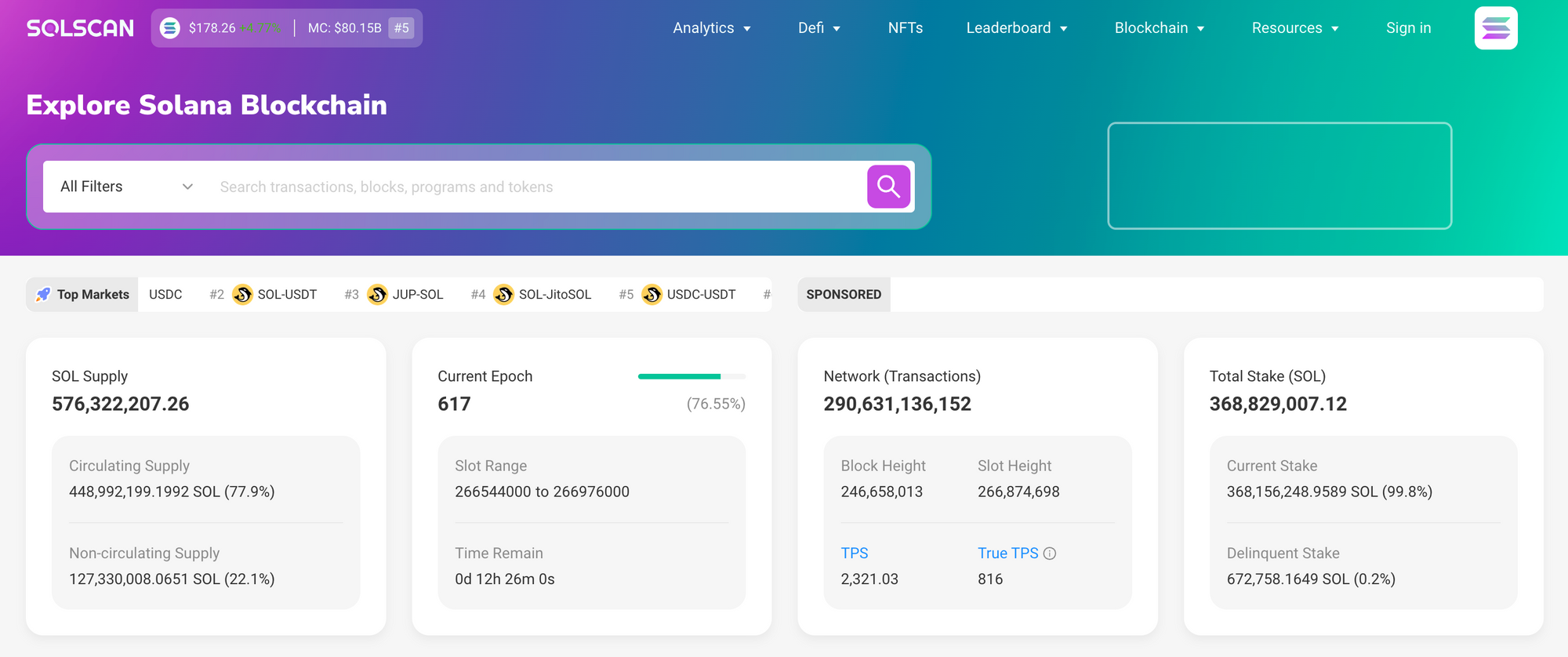
Screenshot-like view of a transaction page showing logs and token transfers

How Solscan Helps You Track Tokens and Transactions

Okay, so check this out—when you paste an address or a tx signature into the search bar on the solscan explorer official site, you get a layered view. Quick facts at the top. Then a cascade of parsed instructions, native SOL transfers, SPL token movements, and decoded program calls. It’s like peeling the onion on a move; each layer tells you who touched what and when.

Short version: it shows token flows. Medium version: it decodes program instructions for many commonly used contracts. Longer thought—because this matters for audits and troubleshooting—Solscan also surfaces inner instructions and program logs, which help you understand why a program failed or why a transfer got rerouted. That’s critical when fixing a failing swap or validating a bridge operation.

One useful feature I use often is the token holder list. It’s not perfect, but it helps flag suspicious distributions—like when a new token has two wallets holding 90% of supply. That red flag alone has stopped me from buying into a rug more than once. On the flip side, you can verify token mints, see metadata accounts, and check whether a mint authority still exists. Those are the small checks that avoid big mistakes.

Pro tip: if you see a transaction with a “failed” status, don’t stop at the status. Expand the logs. Read the error codes. Many failures are “insufficient funds for fees” or “incorrect account passed.” Sometimes the wallet UI masks these details, but the explorer shows the raw error. Very very helpful.

Practical Walkthroughs I Use—Fast Guides

Trace a transfer. Paste the tx signature. Follow the outputs. If multiple token transfers occurred, check which program invoked the moves (Serum? Raydium? Wormhole?).

Verify a token mint. Open the mint account. Look at supply and decimals. Inspect listed metadata accounts. If the metadata URI points to IPFS or Arweave, click the link and see the JSON. If that JSON is missing images or looks auto-generated, be skeptical.

Audit a smart contract interaction. View the instruction data and program logs. If a contract logs “Error: AccountNotRentExempt” or similar, that tells you the transaction wasn’t prepared correctly. These little clues speed up debugging during dev sprints or when a user files a support ticket.

I’ll be honest—this part bugs me: explorers can only show what’s on-chain. They cannot prove who runs a front-end, or whether a token’s project page is legit. You have to pair on-chain checks with off-chain diligence. (Oh, and by the way… check project socials when in doubt.)

Why Speed and UX Matter on Solana

Solana is fast—so your explorer needs to keep up. Delays in block indexing or stale caches make a big difference when you’re tracking a mempool fight or verifying a fast airdrop. Solscan’s cadence in updating block data has improved a lot over time, though every explorer has occasional lags during congestion. My instinct still says refresh; then refresh again if the slot is high-traffic.

On the UX side, good filtering and search are underrated. Being able to isolate SPL transfers, or to filter by program invocation, moves you from “what happened?” to “what exactly executed this behavior?” in minutes instead of hours. That speed matters if you’re triaging customer reports or doing forensic work after an exploit.

On one hand, explorers are powerful. On the other hand, they can lull users into over-confidence if they treat labels as endorsements. So actually, wait—use the explorer as one tool among many. Cross-check patterns, check contract source if available, and if a wallet shows an unfamiliar approval, revoke it.

Common Pitfalls and How to Avoid Them

People assume token names equal legitimacy. Not true. Token labels are sometimes user-contributed. Always check mint authority and supply metrics.

Another misstep: trusting transaction confirmations alone. A confirmed tx might still be a failed instruction. Read the logs. Seriously—read them.

Also: don’t assume an empty metadata URI equals a scam. Sometimes projects haven’t uploaded assets yet. Context matters. Look at commit history, socials, and dev activity.

FAQ

How do I verify a token’s authenticity?

Look at the mint account on the explorer: check supply, decimals, and mint authority. Inspect linked metadata for publisher info (and whether it’s stored on IPFS/Arweave). If most of the supply is held by a few wallets, or the metadata is copied from other projects, treat it with caution. Pair on-chain checks with off-chain research—tweets, GitHub, Discord—because the explorer can only show ledger facts, not reputational context.

Can an explorer help recover a failed transaction?

Not recover—no. But it can tell you why it failed. Transaction logs and program error messages reveal the cause (fee issues, missing accounts, wrong signer). That helps when you retry the operation or report a support ticket, and in many cases it prevents repeated failures.

Is Solscan the only explorer I should use?

Nope. Use multiple explorers if you want redundancy and cross-verification. Different explorers sometimes surface different metadata or UI features. But for a lot of everyday token tracking and transaction analysis on Solana, Solscan is a solid starting point.