
Phantom, NFTs, and the Solana Browser Wallet You Actually Want
Okay, so check this out—I’ve been thrashing around in Solana wallets for years. Whoa! My first impression of Phantom was that it looked slick and simple. Initially I thought it was just another shiny interface, but as I used it more the nuance became obvious—speed, reduced fees, and a clear focus on NFTs stood out in ways I hadn’t expected. Something felt off about some dapps though, more on that soon.
Really? Phantom is a browser extension wallet, and yes there is a mobile app that syncs now. It manages tokens, NFTs, and connects to Solana dapps with a one-click popup that feels a lot like a browser password manager. On one hand the UX is forgiving for newcomers, though actually advanced users can dig into custom RPCs, hardware wallet support, and transaction details if they want to audit what’s happening behind the scenes. I’ll be honest, the balance between simplicity and power is what sold me.
Okay, so here’s the practical bit. Hmm… Install Phantom as a browser extension from a trusted source, pin it to the toolbar, and create a new wallet or restore an existing one. Initially I thought copying seed phrases into a notepad was fine, but then I realized that even small mistakes can lock you out forever, and that physical backups or hardware wallets are much safer for serious collections. Pro tip: never paste your seed into any website, and be wary of fake download pages.
Wow! Phantom now supports hardware wallets like Ledger, which adds that extra layer I rely on for high-value assets. On the other hand, some users find hardware integration clunky at first, because it adds steps to signing transactions and occasionally requires driver fiddling depending on your OS and browser, though it’s worth the friction if you’re protecting big NFT drops. Something bugs me about NFT listings though—metadatas sometimes point to centralized links. That’s a risk; pin your own metadata or prefer on-chain storage if authenticity matters.
Check this out—gas on Solana is tiny compared to Ethereum, so minting NFTs here feels cheap and fast. Seriously? However, low fees encourage a lot of experimentation, so you’ll see many low-effort or spammy collections, and filtering signal from noise becomes a time-consuming habit if you’re trying to curate a meaningful portfolio. My instinct said trust the projects with clear teams and verifiable metadata, though that’s not a perfect rule. I’m biased, but I always look for community channels and GitHub activity before committing funds.
Get started with the browser extension
If you’re ready, grab the official extension via this phantom wallet download extension and follow the on-screen prompts to set up your wallet. Test with a tiny amount of SOL first so you can see how transactions look and feel. Really?
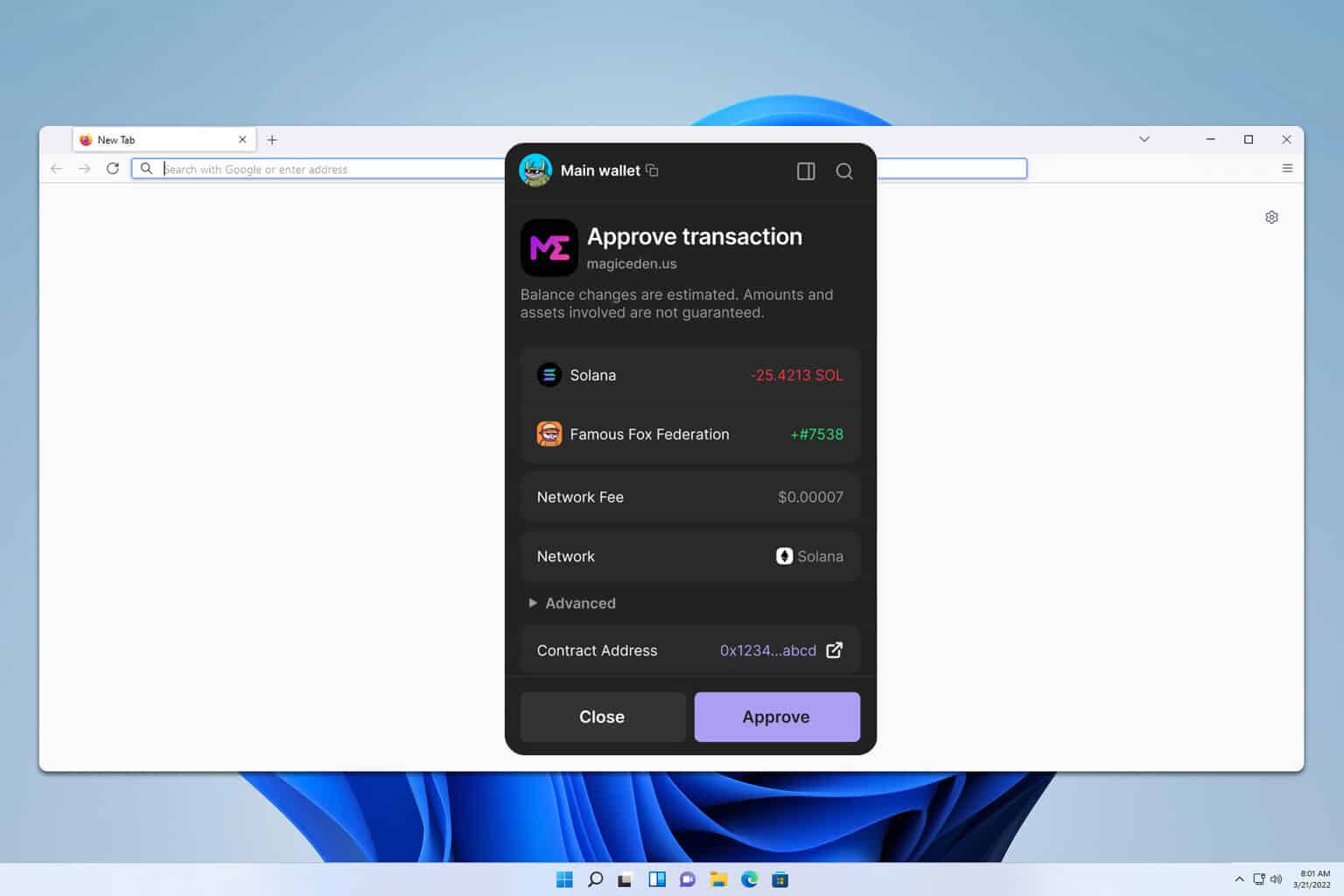
Okay, if you want to try Phantom, there’s a convenient place to start. Whoa! I recommend testing things carefully before you dive in. Try a small transfer first, check how the popup reads contract calls, and understand what a dapp is asking to do—permissions are not always obvious and accepting the wrong request can be costly. These steps keep mistakes from becoming disasters.
Okay, let’s talk about dapps and approvals. Really? On one hand dapps are where the magic happens—minting, trading, staking—though actually when a site asks you to ‘approve’ an unlimited allowance for a token, that’s a red flag and you should either set a limited allowance or avoid the site until you verify the contract. Phantom surfaces these approvals, but user attention is the real defense. If something smells phishy, step back and ask in community channels before you sign.
I had a time where a fake site mimicked a popular drop and I nearly signed an approval. Phew! My instinct said somethin’ was off because the site URL had tiny differences and the popup requested odd permissions, and that split-second hesitation saved me a lot of headache—so trust your gut, then verify with a second source. Phantom’s mobile app has improved this flow too, letting you review transactions on your phone while the browser request waits, which reduces the risks of accidental approvals. I’m not 100% sure about every future change, but overall the direction feels solid.
Final thought: Phantom is not perfect, but for many people it strikes a good balance between usability and safety. Wow! On one hand it democratizes NFTs on Solana with low friction and great UX, though on the other hand users must still practice basic security hygiene—seed phrase safety, hardware wallets, and thoughtful approvals—because the ecosystem moves fast and mistakes can be permanent. So try the extension cautiously, learn by doing, and don’t be afraid to ask questions in communities. This part bugs me sometimes, but that’s the tradeoff for accessible innovation.
FAQ
Is Phantom safe for NFTs?
Phantom is widely used and generally safe when combined with good practices: use hardware wallets for big holdings, back up seed phrases offline, verify dapp URLs, and avoid pasting sensitive data into sites. Somethin’ as simple as a typo in a URL can cost you, so vigilance matters.
Can I use Phantom on mobile and desktop?
Yes. There is a browser extension for desktops and a mobile app that syncs (with different flows). I prefer using the extension for heavy dapp work and the mobile app for quick confirmations, but your mileage may vary.
Where should I download the extension?
Only from reputable sources: the official extension listing or trusted mirrors. The link above is a convenient starting place, but always double-check the URL and browser store details before installing. Small checks now save big regrets later.
Leave a Reply
Want to join the discussion?Feel free to contribute!